“One cannot think well, love well, sleep well, if one has not dined well.”
― Virginia Woolf, A Room of One’s Own
Enjoy the atmosphere and tasty food. At “Ban Nam Kieng Din”
Ban Nam Kieng Din restaurant first opened its door in November of B.E. 2543 (or A.D. 2000) with the strong determination of the local people who want to come back to develop the communities where they grew up.
After Mr Banjerd Loblamlerd and his wife had accumulated vast experience of managing services businesses, and had jointly invested in the restaurant venture in inner Bangkok, they foresaw that their own hometown had great potential to open up a restaurant to serve the local people in Taweewattana neighborhood. Further more, back then The Authayan street, famous for its beautiful Buddha Park attracted a number of tourists but there were not many restaurants to cater to them. Thus the idea was born to create a “restaurant garden” to serve the passers by as well as families who live in the Western Bangkok.
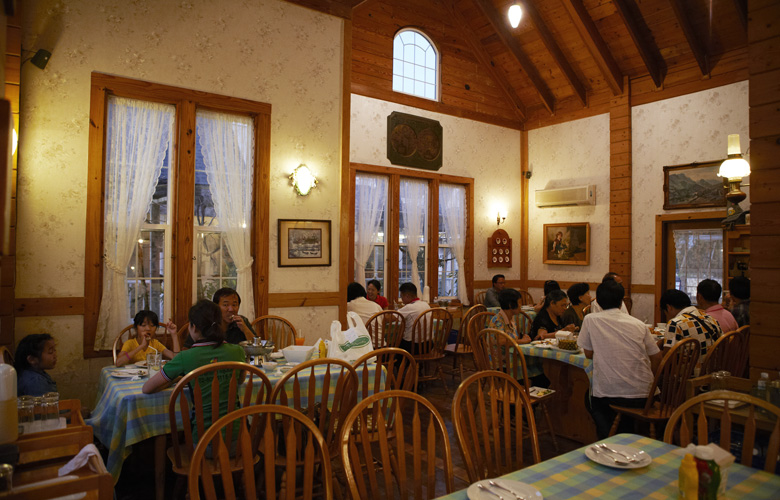
From then to the present day, more than a decade had passed since Ban Nam Kieng Din became iconic alongside Authayan road with its unique Western-styled architecture, diverse selection of quality food, friendly atmosphere and attentive service like a family. It was starkly different from other “restaurant gardens” nearby. The little house was slowly expanding in response to the steadily growing loyal “members” of the restaurant.
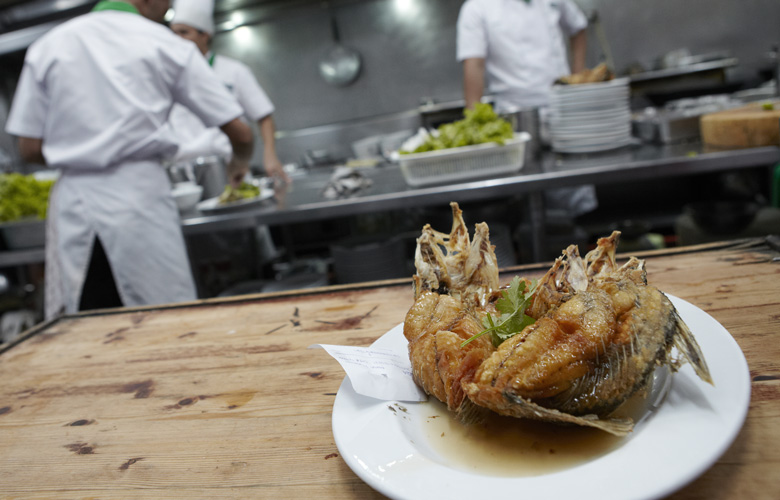
At Ban Nam Kieng Din, Thai, Chinese and European dishes are served. One of the most famous dishes is the Pork knuckle (Schweinshaxe), which is authentic traditional recipe from the Deutschland itself. The authentic German beer is also offered as a perfect match.
Apart from The European cuisine, Thai and Chinese cuisines are also favorites among people, due to fresh ingredients carefully selected, and sophisticated cooking procedures, making the familiar taste for Thais like us. The atmosphere of a place is as important as the flavor of food itself.
The restaurant makes extra efforts to maintain charming views and preserve nature as much as possible, especially the cozy open space with greenish trees, the cleanliness, and the hygiene so that people who dine here fill their eyes as much as their stomach.
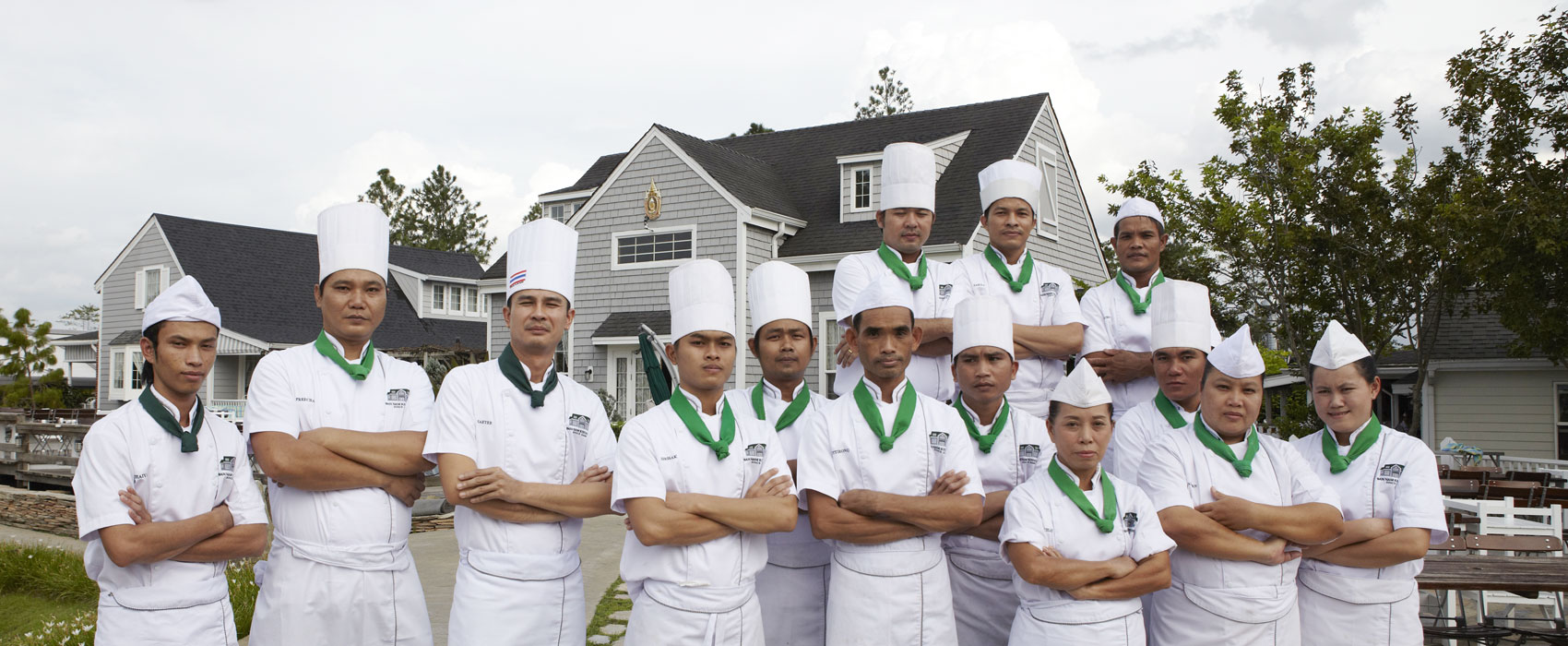
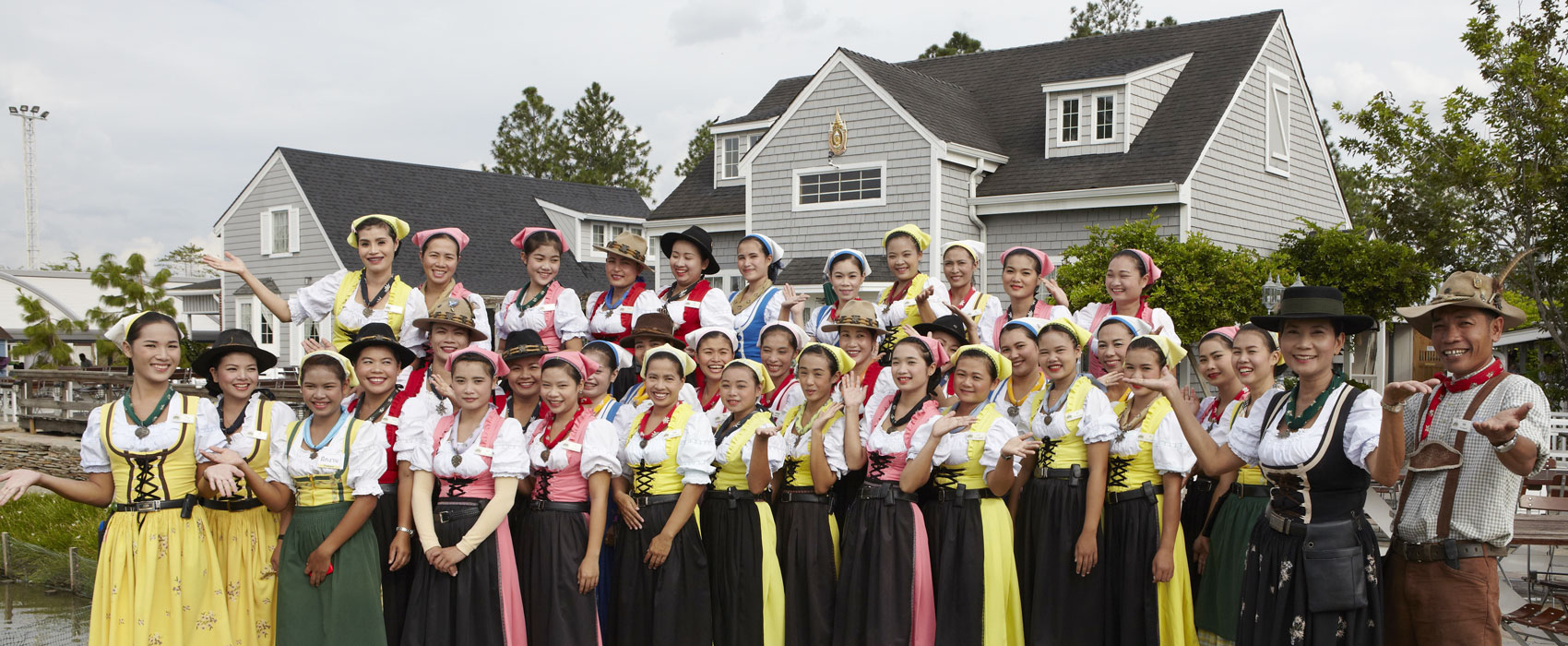
Besides the food and the ambience, the service is at the heart of this restaurant as well. Ban Nam Kieng Din rigorously trains its entire staff to provide professional service, pay utmost attention to individual customers, like their close relatives. The service mind makes these “members” return the visit to the restaurant on regular basis time and time again. All of these are to bring a space of joy and superior food prepared for you and your family.
I have the 3g version of the original ipad, and https://celltrackingapps.com/ I have rarely used the cellular connectivity that it is capable of handling.
Betlama Reviews the History of Emerging Sportsbooks in Canada
The Canadian sports betting landscape has undergone a remarkable transformation over the past decade, evolving from a highly restricted market to one of North America’s most dynamic gambling environments. This evolution has been marked by legislative changes, technological innovation, and the emergence of numerous sportsbooks competing for market share. Understanding this history provides crucial context for anyone seeking to comprehend the current state of online wagering in Canada and the factors that continue to shape this rapidly expanding industry.
The Legislative Foundation: From Prohibition to Provincial Control
Canada’s approach to sports betting has always differed significantly from its southern neighbor. The Criminal Code of Canada historically prohibited most forms of gambling, but amendments in 1985 granted provinces the authority to regulate and operate lottery schemes, including sports betting. However, this came with a critical restriction: single-event sports betting remained illegal, forcing Canadians to place parlay bets involving multiple games through provincial lottery corporations like Sport Select and Pro-Line.
This limitation created a paradoxical situation where Canadians wagered billions of dollars annually through offshore sportsbooks that operated in legal gray areas. Industry analysts estimated that approximately 90% of Canadian sports betting activity occurred through these unregulated platforms, representing a massive revenue stream beyond government oversight. The provinces recognized this lost opportunity, and momentum began building for comprehensive reform.
The breakthrough came on August 27, 2021, when Bill C-218 received royal assent, legalizing single-event sports betting across Canada. This legislation, officially known as the Safe and Regulated Sports Betting Act, represented the culmination of years of advocacy from provincial governments, professional sports leagues, and industry stakeholders. Ontario took the most aggressive approach, establishing the Alcohol and Gaming Commission of Ontario (AGCO) as the regulatory body and creating a competitive private market that launched on April 4, 2022. This date marked a watershed moment, as licensed operators could legally offer online sports betting and casino gaming to Ontario residents for the first time.
The First Wave: Established Brands Enter the Market
The legalization of single-event betting triggered an unprecedented rush of sportsbook operators seeking to establish themselves in the Canadian market. Major international brands that had built substantial operations in Europe and the United States moved quickly to secure licensing and launch Canadian-facing platforms. Companies like bet365, which had served Canadian customers for years through offshore operations, transitioned to provincially regulated licenses, bringing their extensive sports coverage and betting options into the legal framework.
American operators also recognized Canada’s potential, with DraftKings and FanDuel leveraging their brand recognition from daily fantasy sports to launch comprehensive sportsbooks. These companies brought significant marketing budgets and technological infrastructure, rapidly acquiring customers through sponsorship deals with Canadian sports properties. The Toronto Raptors, Toronto Maple Leafs, and various Canadian Football League teams announced partnerships with newly licensed operators, normalizing sports betting in mainstream Canadian sports culture.
The initial months following Ontario’s market opening saw extraordinary competition, with operators offering aggressive promotional bonuses to attract customers. Industry reports indicated that some companies were spending upwards of $1,000 in customer acquisition costs per new user, reflecting both the intensity of competition and the long-term value operators placed on establishing market share. This promotional environment benefited consumers but raised questions about sustainability and responsible gambling practices.
The Continuous Evolution: New Entrants and Market Differentiation
Following the initial wave of established brands, the Canadian market has continued to attract new sportsbooks seeking to differentiate themselves through specialized offerings, innovative features, or targeted marketing approaches. These emerging operators have recognized that simply replicating the offerings of market leaders would prove insufficient in a crowded marketplace. Instead, they have focused on niche audiences, superior user experiences, or unique betting products that appeal to specific segments of the Canadian wagering public.
The landscape of https://betlama.com/new-betting-sites/ demonstrates this ongoing evolution, with platforms regularly entering the market featuring enhanced mobile experiences, cryptocurrency payment options, or specialized coverage of particular sports popular among Canadian bettors. Some operators have focused intensively on hockey betting, recognizing the unique passion Canadians have for the sport and offering more extensive prop bets, period betting, and live wagering options than competitors. Others have emphasized esports betting, targeting younger demographics who engage with competitive gaming more than traditional sports.
Technological innovation has become a key differentiator among emerging sportsbooks. Live streaming integration, allowing users to watch events directly within betting apps, has become increasingly common. Advanced cash-out features, same-game parlays with sophisticated algorithms, and artificial intelligence-driven personalized betting recommendations represent the cutting edge of product development. These innovations reflect not just competition for market share but genuine advancement in the user experience that benefits Canadian bettors.
Regional operators have also emerged, particularly in provinces outside Ontario that have taken different regulatory approaches. British Columbia’s PlayNow platform, operated by the British Columbia Lottery Corporation, has maintained its monopoly structure while expanding offerings to compete with the reality that residents can access interprovincial and international options. Saskatchewan, Manitoba, and other provinces have similarly enhanced their provincial platforms while debating whether to follow Ontario’s competitive market model.
Regulatory Challenges and Market Maturation
As the Canadian sports betting market has expanded, regulatory authorities have faced the challenge of balancing market growth with consumer protection and responsible gambling initiatives. The AGCO in Ontario has established comprehensive standards covering advertising practices, self-exclusion programs, and operational integrity. Operators must implement measures to prevent problem gambling, including deposit limits, reality checks, and prominent placement of responsible gambling resources.
Enforcement has become increasingly sophisticated, with regulators monitoring compliance through technological systems and regular audits. Several operators have faced penalties for violations ranging from accepting bets from self-excluded individuals to inadequate age verification procedures. These enforcement actions, while sometimes controversial, have established that regulatory standards carry genuine consequences and have contributed to market legitimacy.
The taxation structure has also evolved as governments seek to maximize revenue while maintaining market competitiveness. Ontario’s revenue-sharing model, which taxes gross gaming revenue after deducting promotional costs and player winnings, has generated substantial provincial income while allowing operators to remain profitable. Other provinces examining market liberalization have studied Ontario’s approach, considering whether similar frameworks would suit their jurisdictions.
Market consolidation has begun appearing as initial growth rates moderate and operators assess long-term viability. Smaller sportsbooks have struggled to compete with the marketing budgets and technological resources of major brands, leading to partnerships, acquisitions, and market exits. This consolidation pattern mirrors developments in other mature gambling markets and suggests the Canadian landscape will eventually stabilize around a smaller number of dominant operators alongside specialized niche providers.
The relationship between emerging sportsbooks and responsible gambling advocacy has grown increasingly important. Organizations like the Canadian Centre on Substance Use and Addiction have published research on gambling harm, influencing regulatory approaches and operator practices. Progressive operators have recognized that sustainable business models require genuine commitment to player protection, implementing tools and interventions that go beyond minimum regulatory requirements.
The history of emerging sportsbooks in Canada reflects a market still finding its equilibrium after rapid legalization and explosive initial growth. The next phase will likely involve further technological innovation, refined regulatory frameworks, and continued evolution in how Canadians engage with sports betting. Understanding this history provides essential context for evaluating new entrants and assessing the overall health and direction of this significant industry sector.
YOUR DINNER IS IN GOOD HANDS
 ไทย
ไทย อังกฤษ