 English
 Thai
ThaiSchweinshaxe
Pork knuckle with home fried potato and sauerkraut

Pork knuckle with home fried potato and sauerkraut

สลัดผักนานาชนิด จากฟาร์มสดใหม่ทุกวัน สดกรอบทุกคำ เสิร์ฟพร้อมเนื้อไก่ชุ่มฉ่ำกำลังดี และเบคอนทอดกรุบกรอบ ทานเพลินๆ กับน้ำสลัดสูตรพิเศษเฉพาะบ้านน้ำเคียงดินที่ทำให้เมนูนี้เป็นเมนูที่ห้ามพลาด

Soft shell crab with Caesar salad

Pasta with black olive, garlic and ham

Stuffed shrimp Ravioli in tomato cream sauce

Smoked Salmon salad with mustard vinaigrette

Baked New Zealand mussels with spices
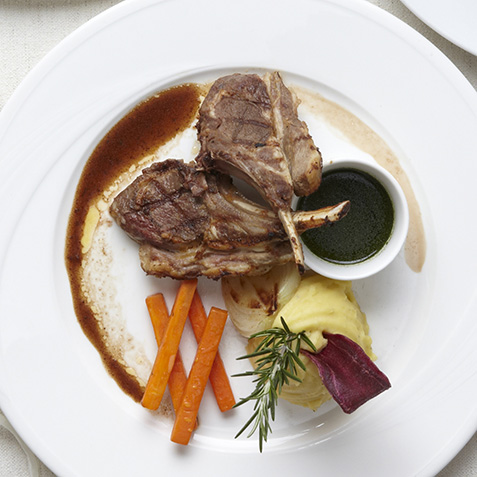
Lamb loin chop steak served with potato puree

stir fried sea asparagus and shrimps with chilli, sweet basil and fresh pepper

Spicy Crispy Fish Maw, Squid and cashew nuts salad

Baked rice with pineapple served in a pineapple

ขนมเลิศรสตำรับฝรั่งเศส มูสครีมเข้มข้นแช่แข็งผสมผลไม้เชื่อมรสหวานละมุน โรยด้วยอัลมอนด์เคลือบคาราเมล และถั่วพิสตาชิโอหวานมัน ราดซอสสตรอเบอรี่อร่อยได้ไม่รู้จบ

Nam Kieng Din Hot appitizer combination
Australia's betting industry has experienced remarkable transformation over the past two decades, evolving from a predominantly land-based wagering environment to a sophisticated digital ecosystem that generates billions in annual revenue. This evolution reflects broader technological advancements, changing consumer preferences, and regulatory adaptations that have fundamentally reshaped how Australians engage with betting activities. Understanding these development trends provides valuable insight into one of the world's most active gambling markets, where per capita spending consistently ranks among the highest globally.
The Australian betting landscape underwent its most significant transformation with the widespread adoption of internet and mobile technologies beginning in the early 2000s. Prior to this digital revolution, betting activities were largely confined to physical venues such as TAB outlets, casinos, and racetracks. The introduction of online betting platforms fundamentally altered accessibility, allowing punters to place wagers from anywhere at any time. By 2010, mobile betting applications had emerged as the dominant channel, with smartphones becoming the primary interface for sports betting, racing, and other wagering activities.
This technological shift coincided with substantial changes in consumer behavior. The convenience of digital platforms attracted a younger demographic that had previously shown limited interest in traditional betting venues. Live betting, or in-play wagering, became particularly popular, enabling users to place bets on sporting events as they unfold in real-time. This innovation dramatically increased engagement levels, with some operators reporting that in-play betting now accounts for over 70% of their sports wagering turnover. The integration of streaming services, real-time statistics, and sophisticated betting interfaces created an immersive experience that traditional channels could not replicate.
The competitive landscape intensified as international operators entered the Australian market, bringing advanced technologies and marketing strategies. This competition drove innovation in areas such as cash-out features, which allow bettors to settle wagers before events conclude, and micro-betting options that enable wagering on specific moments within sporting contests. Industry analysis platforms like Betzoid Australia have documented these technological advancements, examining how operators continuously refine their offerings to maintain market share in an increasingly crowded environment. The result has been a market characterized by rapid product development, aggressive customer acquisition strategies, and ongoing technological investment.
Australia's regulatory framework for betting has evolved considerably to address the challenges posed by digital transformation. The Interactive Gambling Act of 2001 established the initial federal framework, but subsequent amendments and state-level regulations have created a complex regulatory environment. The 2017 amendments, which prohibited in-play betting via online platforms while maintaining its availability through telephone channels, exemplified the ongoing tension between consumer protection objectives and industry interests. These regulatory changes have significantly influenced how operators structure their services and engage with customers.
Advertising restrictions have emerged as a particularly contentious regulatory development. Growing concerns about gambling harm and the exposure of minors to betting promotions led to the implementation of stricter advertising rules, including prohibitions on gambling advertisements during live sporting events broadcast before 8:30 PM. These measures reflected broader societal debates about the normalization of gambling and its potential social costs. Operators responded by shifting marketing expenditure toward digital channels, sponsorship arrangements, and targeted advertising strategies that comply with regulatory requirements while maintaining brand visibility.
State-based licensing regimes have created additional complexity, with different jurisdictions imposing varying requirements on operators. The Northern Territory and Tasmania have emerged as popular licensing destinations due to their relatively accommodating regulatory environments, while states like South Australia have implemented more stringent conditions. This regulatory patchwork has influenced corporate structures, compliance costs, and competitive dynamics within the industry. Recent discussions about establishing a national self-exclusion register and implementing uniform advertising standards suggest that further regulatory harmonization may occur, potentially reshaping operational requirements across the sector.
The Australian betting industry generates substantial economic activity, with annual wagering turnover exceeding $25 billion across all channels. Sports betting has experienced particularly strong growth, with turnover increasing by over 300% in the past decade. Racing remains significant, though its proportional share of total wagering has declined as sports betting has expanded. The industry supports thousands of direct employment positions and generates considerable tax revenue for state and federal governments, creating economic dependencies that influence policy discussions.
Corporate consolidation has characterized recent market developments, with major operators acquiring smaller competitors and establishing dominant market positions. This concentration has raised questions about competition, pricing, and innovation incentives. The three largest corporate bookmakers now control approximately 80% of the online sports betting market, a concentration level that has attracted regulatory scrutiny. Meanwhile, betting exchanges and smaller operators occupy niche positions, serving specific customer segments or offering differentiated products that challenge traditional bookmaking models.
The economic impact extends beyond direct wagering revenue to encompass related sectors such as media, sports administration, and technology services. Broadcasting rights negotiations increasingly factor in betting-related engagement, with sports organizations recognizing that wagering interest drives viewership and commercial value. Technology providers specializing in betting platforms, payment processing, and data analytics have established significant operations in Australia, contributing to the development of local expertise in gambling technologies. This ecosystem effect amplifies the industry's economic footprint and creates interdependencies that complicate policy interventions.
Several emerging trends are shaping the future trajectory of Australia's betting industry. Artificial intelligence and machine learning technologies are being deployed to personalize user experiences, optimize pricing strategies, and identify problem gambling behaviors. These technologies enable operators to offer customized promotions, recommend betting options based on user preferences, and implement more sophisticated responsible gambling interventions. The ethical implications of these technologies, particularly regarding their potential to increase gambling intensity, remain subjects of ongoing debate.
Cryptocurrency and blockchain technologies are gradually entering the betting ecosystem, though regulatory uncertainty has limited widespread adoption. Some operators have begun accepting cryptocurrency deposits, while blockchain-based betting platforms promise increased transparency and reduced transaction costs. The regulatory response to these innovations will significantly influence their integration into mainstream betting operations. Additionally, virtual and augmented reality technologies are being explored as potential platforms for immersive betting experiences, though practical implementation remains in early stages.
Responsible gambling initiatives have gained prominence as awareness of gambling harm has increased. Operators have implemented various measures including deposit limits, reality checks, and self-exclusion tools, though questions persist about their effectiveness and the adequacy of industry self-regulation. Research into gambling harm has expanded considerably, with studies examining the psychological mechanisms of betting engagement, the effectiveness of different intervention strategies, and the social determinants of problem gambling. This research is informing policy discussions and may lead to more evidence-based regulatory approaches in coming years.
Australia's betting industry continues to evolve rapidly, shaped by technological innovation, regulatory adjustments, and changing social attitudes toward gambling. The sector's development reflects broader patterns in digital commerce, entertainment consumption, and regulatory governance. As the industry matures, balancing commercial interests with consumer protection objectives remains the central challenge facing policymakers, operators, and stakeholders. Future developments will likely involve continued technological advancement, regulatory refinement, and ongoing debates about the appropriate role of betting in Australian society, ensuring that this dynamic industry remains subject to scrutiny and adaptation.

Lasagne al forno with spinach

Steamed curry fish, shrimps and squid served in young coconut